EN
 IT
 SQ
 ES
 FR

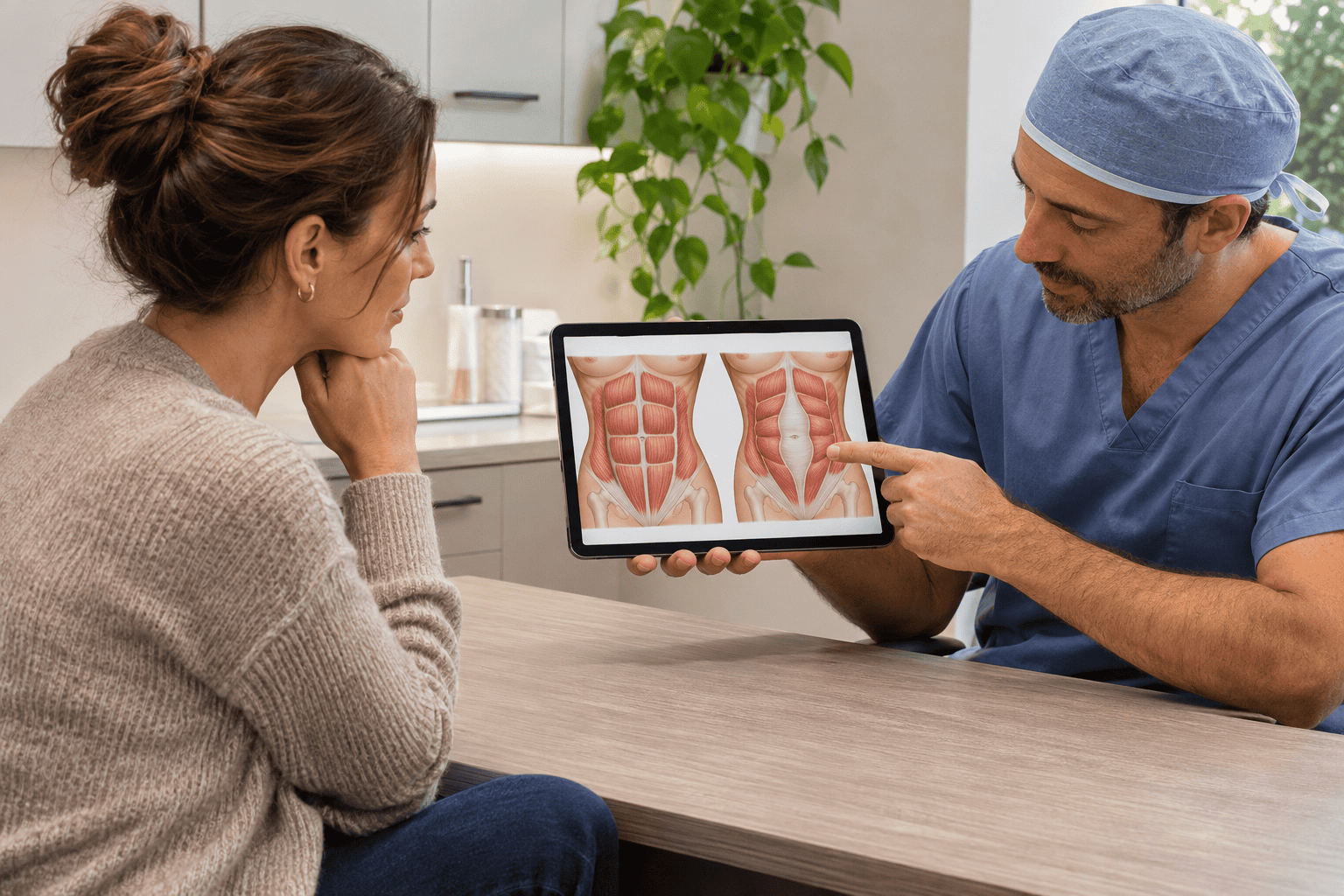
A tummy tuck may allow a surgeon to tighten the stretched connective tissue between separated abdominal muscles, but it is not the right treatment for every abdominal bulge. If you are considering surgery for diastasis recti in Albania, the first step is finding out what is actually causing your abdomen to protrude.
Diastasis Recti Is Not the Same as Loose Abdominal Skin
The rectus abdominis muscles run vertically on either side of the abdomen. Diastasis recti describes a widening of the connective tissue between these muscles; it does not necessarily mean that the muscles themselves are torn.
The condition is often associated with pregnancy, but it can occur in other circumstances. Its appearance varies from a visible midline bulge to a relatively subtle change that is more noticeable during certain movements.
Loose skin and localised fat are separate issues that can occur alongside diastasis. Our female tummy tuck service describes the procedure broadly; this guide focuses on what the muscle-repair component can and cannot address.
Why an Abdomen Can Still Protrude After Weight Has Stabilised
An abdominal contour may reflect several different layers rather than one single problem. Skin elasticity, fat beneath the skin, deeper visceral fat, abdominal wall support and posture can all contribute to what someone sees in the mirror.
Diastasis may become more apparent when standing, coughing or engaging the abdominal wall. A protruding tummy alone is not enough to diagnose it, and people with a similar outward appearance may need entirely different advice.
Someone with a significant amount of loose skin might benefit from a different surgical discussion than a person whose main concern is abdominal wall function. The distinction matters because liposuction for belly fat does not repair separated abdominal muscles.
How Is Muscle Separation Assessed Before Surgery?
A clinician may begin with medical history and a physical examination of the abdomen, including the shape of the midline and the response to gentle muscle engagement. If symptoms or examination findings raise concerns about a hernia or another condition, further assessment may be appropriate.
The consultation should explore whether you experience discomfort, difficulty with certain activities, back or core concerns, or changes associated with pregnancy. These symptoms should not automatically be attributed to diastasis, because several medical conditions can produce similar complaints.
Useful questions include whether the separation is affecting function, whether conservative management has been attempted and what an operation would realistically change. The surgeon should explain the limits of a cosmetic tummy tuck and whether another professional assessment is advisable.
What Can an Abdominoplasty Do for Diastasis Recti?
In selected patients, a tummy tuck permits the surgeon to bring the stretched central connective tissue into a firmer configuration using sutures. This approach, commonly called plication, may improve abdominal wall contour while excess skin is addressed separately.
The exact operative method depends on the anatomy, degree and location of separation, and whether additional issues are present. It is important to understand that plication does not remove deep visceral fat or guarantee the disappearance of every abdominal bulge.
A person may still require rehabilitation, strengthening or changes to activity habits after healing. Family Beauty’s body surgery options for women include abdominal contouring treatments, but individual suitability can only be determined after assessment.
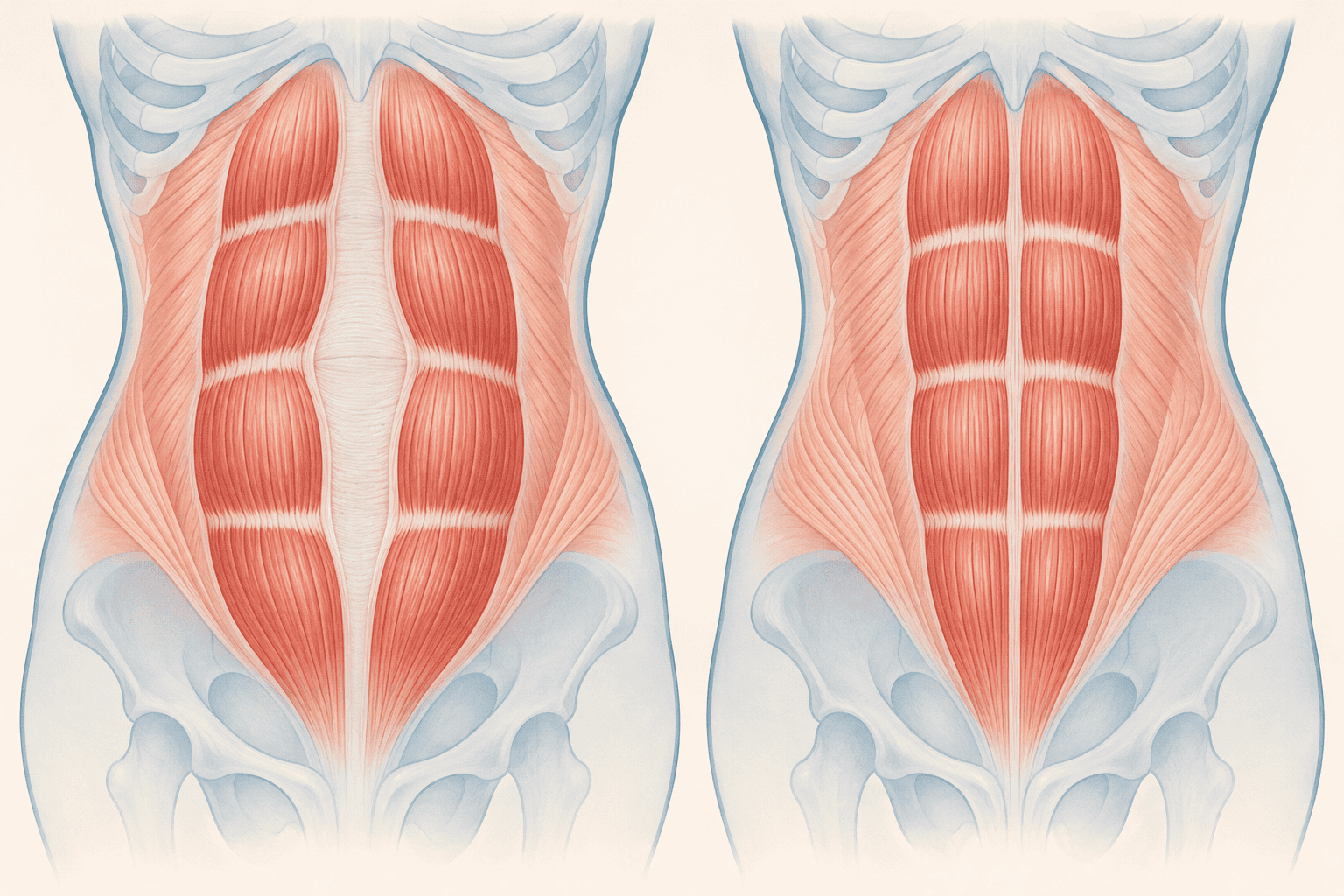
Illustrative anatomy diagram: separation of the abdominal muscles compared with a narrower midline. Educational artwork, not a patient result.
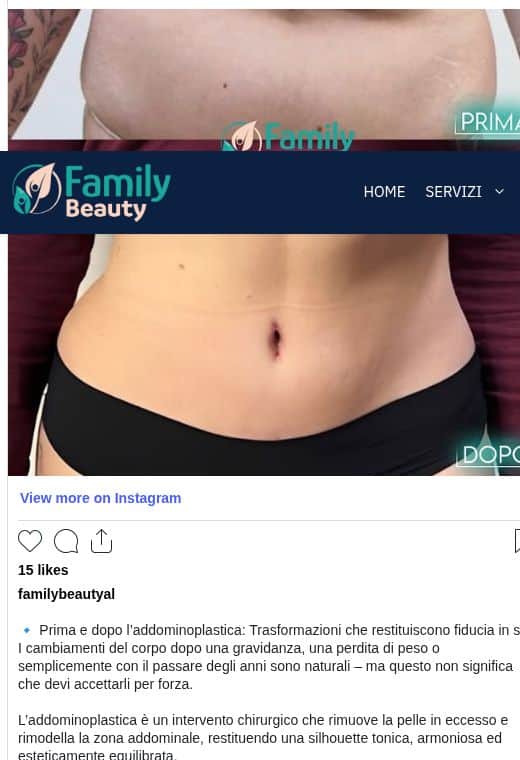
View a Family Beauty Instagram post featured in its body-contouring guide
Surgery Is Not Automatically the First Step
Some people with diastasis recti may benefit from guided abdominal wall rehabilitation, particularly when their main concern is function rather than redundant skin. A suitably qualified physiotherapist can help identify safe exercises and assess whether movement patterns or strength can improve.
Exercise cannot remove substantial loose skin, and surgery should not be presented as a substitute for rehabilitation where rehabilitation is appropriate. Equally, a patient with severe skin laxity may find that exercise alone does not change the external contour they are concerned about.
An informed decision weighs symptoms, appearance, daily functioning, medical risks and personal priorities. Previous pregnancy, plans for future children, weight stability and overall health may affect the timing and appropriateness of surgery.
How Does a Diastasis-Focused Tummy Tuck Differ From Liposuction?
Liposuction works on selected fat deposits below the skin, while an abdominoplasty can remove redundant skin and allow abdominal wall tightening. Neither procedure is a general weight-loss solution, and neither treats every cause of abdominal fullness.
Consider three examples:
| Finding | What may be addressed | Important limitation |
|---|---|---|
| Midline muscle separation | Plication may tighten tissue | Not every case needs surgery |
| Loose abdominal skin | Tummy tuck can remove it | Requires scars and recovery |
| Localised fat beneath skin | Liposuction may contour it | Does not repair separated muscles |
| Deeper visceral fat | Not removed by either procedure | Needs a separate health discussion |
These are examples for understanding, not diagnoses or treatment recommendations. The same individual may have more than one contributing factor and still require a different management plan after examination.
Risks, Scars and Functional Expectations
An abdominoplasty is a substantial operation, commonly involving a lower abdominal scar and a period of restricted activity. Risks can include bleeding, infection, fluid collection, wound-healing difficulties, altered sensation, blood clots, contour irregularity and complications associated with anaesthesia.
Plication may also create temporary tightness and discomfort while tissues heal. The procedure cannot guarantee relief of back pain, treatment of urinary symptoms or a particular improvement in athletic performance.
Ask how your surgeon assesses wound risks, discusses possible complications and plans follow-up. Our existing article on tummy tuck and breast lift after pregnancy explores a different combination of procedures, while your own plan should remain specific to your abdominal findings.
Planning Treatment When You Live in Italy
Travel adds practical questions to the usual surgical decision. You should know how long an in-person assessment is needed, what must be checked before discharge and who you will contact if wound or abdominal symptoms develop after returning home.
Do not schedule your return journey on the assumption that every patient heals at the same rate. Ask your surgeon to advise on travel, mobility, clot-risk precautions and follow-up based on your operation and medical history.
If you have an existing hernia diagnosis, unexplained abdominal pain or significant functional symptoms, raise these clearly before discussing a cosmetic procedure. A coordinated medical assessment may be more important than choosing a surgical date quickly.
Frequently Asked Questions
Does Every Diastasis Recti Require an Operation?
No, the need for treatment depends on symptoms, function, examination findings and individual goals. Some patients may be better served by rehabilitation or observation rather than elective surgery.
Does Muscle Plication Physically Rejoin the Muscles?
It usually tightens the stretched connective tissue along the midline rather than directly sewing torn muscle fibres back together. Your surgeon can explain the technique proposed in your particular case.
Can Diastasis Recti Return After a Tummy Tuck?
Changes can occur over time, especially with major abdominal stretching or changes in weight. No surgeon can promise that the repair or contour will remain unchanged indefinitely.
Should I Have Surgery Before Another Pregnancy?
Future pregnancy can stretch the abdominal wall again and may influence the timing of elective surgery. Discuss your family plans openly so the surgeon can explain appropriate options.
Ask About Your Abdominal Wall, Not Just Your Waistline
At Family Beauty, a consultation can help clarify the difference between skin laxity, fat distribution and possible muscle separation before deciding whether a tummy tuck is appropriate. We encourage you to discuss both appearance and function, including alternatives and the practical requirements of recovery.
- Phone: +355 69 606 0620
- Email: info@familybeauty.com
- Location: Rruga Kongresi i Manastirit, Tirana, Albania
- Contact: Contact Family Beauty