SQ
 EN
 IT
 ES
 FR

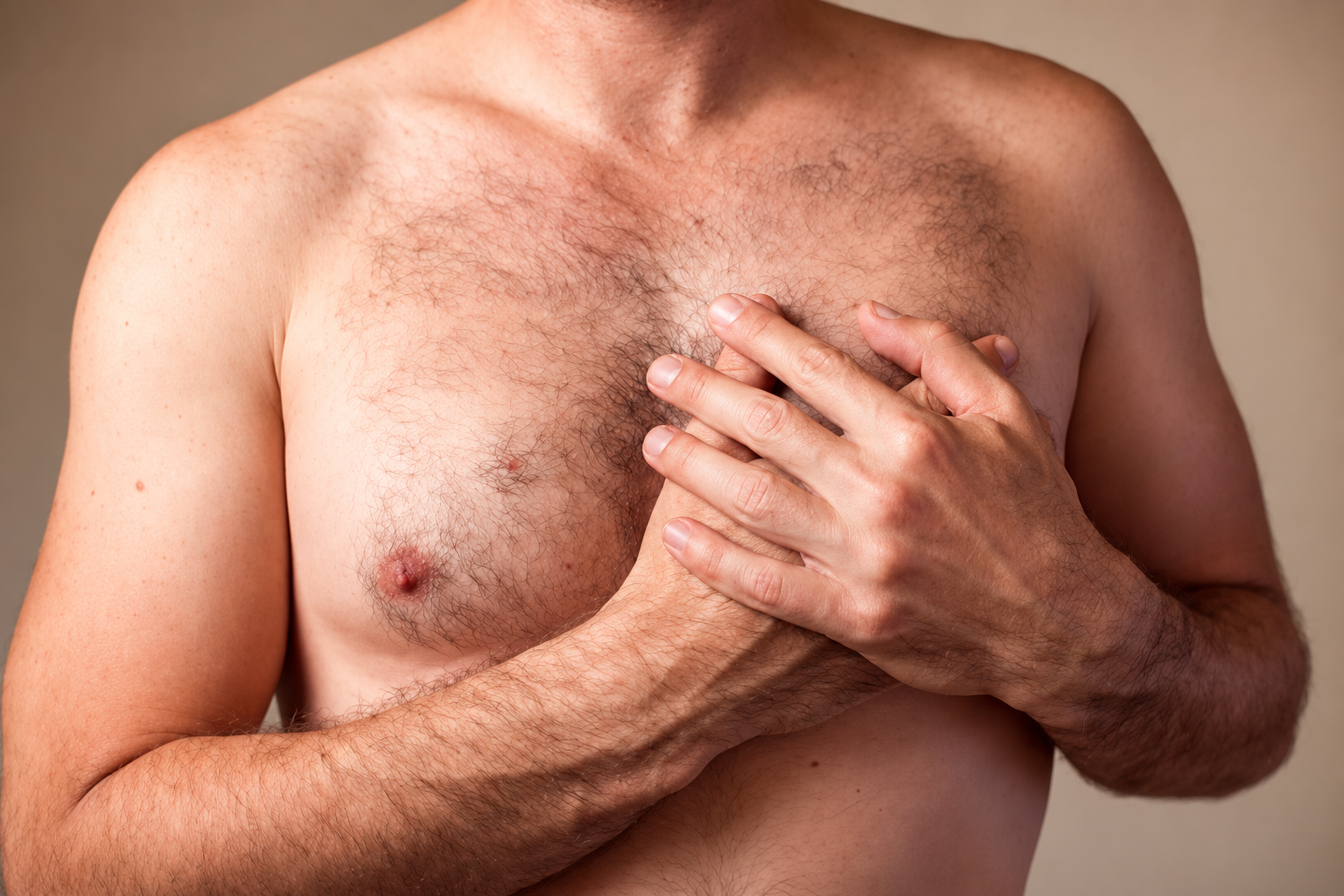
Noticed that your chest looks fuller than you would like, even when you exercise regularly? It could be ordinary chest fat, gynecomastia, or a combination of both. Understanding the difference between gynecomastia and chest fat can help you figure out why it happens and which treatment options may actually help.
Gynecomastia Vs. Chest Fat: What Is The Difference?
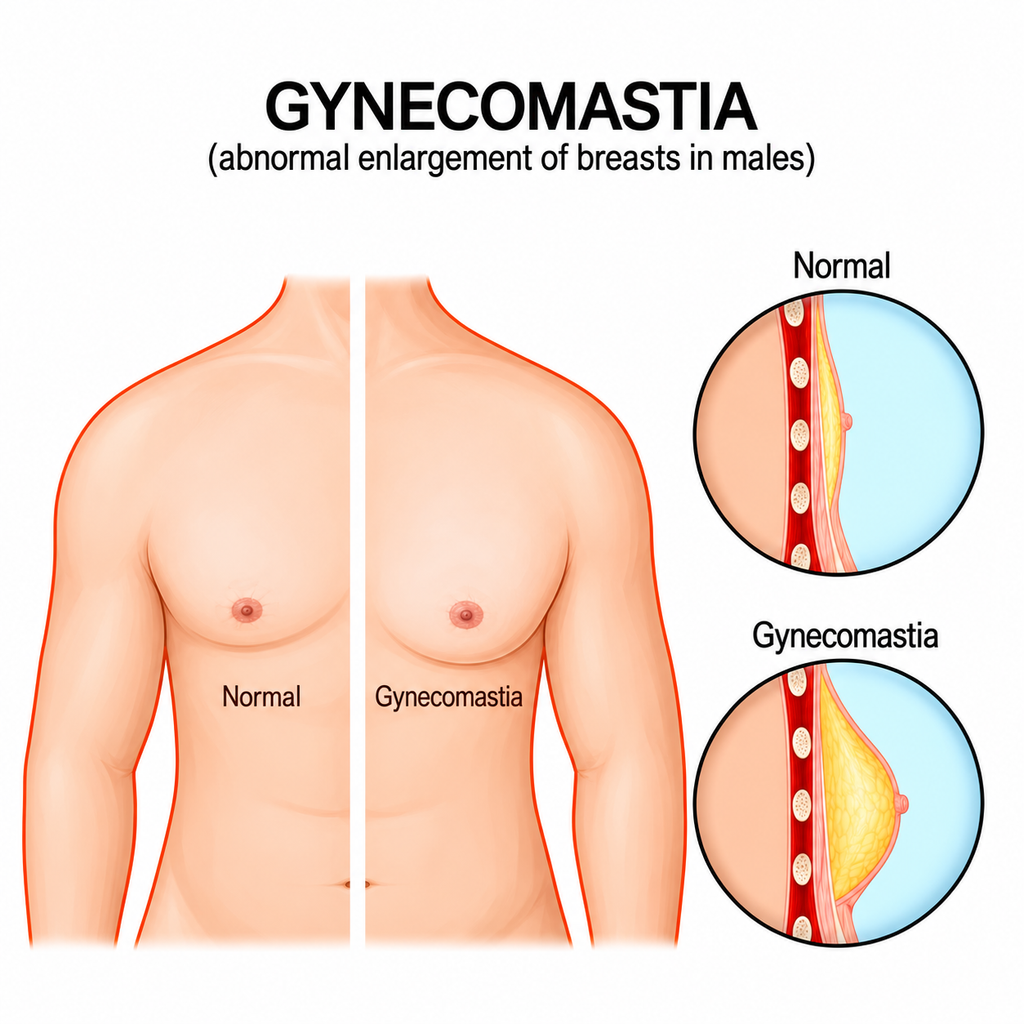
Although they can look similar, gynecomastia and chest fat involve different types of tissue. The main difference is whether the chest enlargement comes from breast gland tissue, excess fat, or both.
Gynecomastia is an increase in glandular breast tissue in men. This tissue usually develops beneath the nipple and may create a rounded or puffy appearance.
Chest fat, also called pseudogynecomastia when it causes breast enlargement, happens when fatty tissue accumulates around the chest. It is more commonly associated with overall body fat and weight changes.
Gynecomastia vs. Chest Fat: Quick Comparison
| Veçori | Gjinekomastia | Chest Fat |
| Main cause | Enlarged breast gland tissue | Excess fatty tissue |
| Texture | May feel firm or rubbery beneath the nipple | Usually feels softer and more spread out |
| Appearance | Can create puffy nipples or localized fullness | Often causes broader chest fullness |
| Weight loss | Glandular tissue may remain | May decrease as body fat decreases |
| Ushtrime fizike | Cannot directly remove glandular tissue | May help reduce fat through overall weight loss |
| Trajtimi | Depends on the cause; sometimes gland removal | Weight management or, in selected cases, liposuction |
These differences are general clues, not a way to diagnose yourself. Some men have both fatty and glandular tissue, making the two conditions difficult to distinguish without an examination.
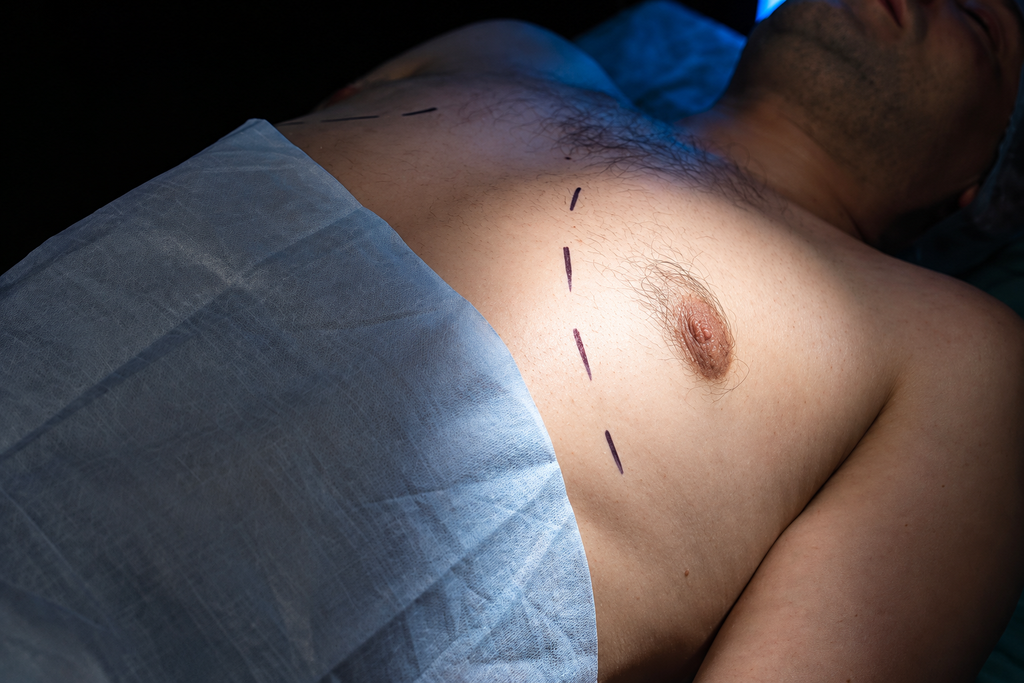
How Can You Tell If You Have Gynecomastia Or Fat?
The appearance and feel of your chest may offer some clues. However, neither photographs nor touching the area yourself can reliably confirm whether you have gynecomastia.
Look at the Area Around Your Nipples
Gynecomastia often causes fullness directly beneath the nipples. Some men notice that their nipples appear puffy or that a firmer area of tissue can be felt underneath.
Chest fat tends to be distributed more broadly across the chest. Instead of a concentrated area beneath the nipple, the enlargement may appear softer and more evenly spread.
Think About How Your Chest Has Changed
Has your chest become smaller after losing weight, or has its appearance remained relatively unchanged? This information can help your doctor understand what might be contributing to the enlargement.
For example, a man who loses body fat but continues to notice fullness beneath the nipples may have glandular tissue. However, persistent fullness can also involve remaining fat or loose skin, so weight changes alone cannot confirm the diagnosis.
Pay Attention to Discomfort
Gynecomastia can sometimes cause tenderness or sensitivity around the nipples. Ordinary fat accumulation generally does not cause the same type of localized tenderness.
Pain is not required for gynecomastia to be present, though. A painless chest enlargement can still involve glandular breast tissue.
Why Does Gynecomastia Develop?
One important difference between gynecomastia and chest fat is what causes them. While chest fat is mainly related to fat accumulation, gynecomastia often develops because of changes affecting breast gland tissue.
Hormones play an important role in this process. Men naturally produce both testosterone and estrogen, and changes in their balance can sometimes encourage breast tissue to grow.
Several factors may contribute to gynecomastia:
- Puberty: Hormonal changes can cause temporary breast enlargement in teenage boys.
- Ageing: Changes in hormone levels may contribute to gynecomastia later in life.
- Medications: Certain prescribed medicines can affect breast tissue.
- Anabolic steroids: Their use can interfere with normal hormone balance.
- Medical conditions: Some thyroid, liver, kidney or hormonal disorders may contribute.
Not every case has an obvious cause, and not every man with gynecomastia has a medical condition. Nevertheless, new breast enlargement in adulthood deserves an appropriate assessment before considering cosmetic treatment.
Can Exercise Get Rid Of Gynecomastia?
This is where the difference between gynecomastia and chest fat becomes particularly important. If your chest looks enlarged mainly because of excess fat, regular exercise and a balanced diet may help reduce its size.
However, your body does not choose exactly where to lose fat. Doing push-ups, bench presses or other chest exercises strengthens the muscles underneath but does not specifically burn fat from the chest.
What If You Already Have A Low Body Fat Percentage?
Some men maintain a healthy weight and exercise regularly but still have noticeable fullness around their nipples. In these situations, glandular tissue may be contributing to the appearance.
Losing additional weight is not necessarily the solution, especially if you are already lean. Persistent chest enlargement should be assessed rather than assuming that more exercise will correct it.
If gynecomastia is related to puberty or a reversible cause, it may improve without surgery. Long-standing glandular enlargement, however, is less likely to disappear through lifestyle changes alone.
How Is Gynecomastia Diagnosed?
A medical examination is the most reliable way to understand what is causing male chest enlargement. Your doctor will assess the area and ask questions about your health, medication use and when you first noticed the changes.
During the examination, the clinician may check whether the fullness comes mainly from fatty tissue or a firmer area beneath the nipple. They will also look for any unusual findings that need further investigation.
In some cases, additional tests may be recommended:
- Blood tests: To investigate possible hormonal or medical causes.
- Ultrasound or other breast imaging: To examine the tissue when the diagnosis is uncertain.
- Further specialist assessment: If symptoms suggest another underlying condition.
Not everyone needs every test. The examination and medical history help determine which investigations are appropriate.
When Should You See A Doctor?
Although gynecomastia is usually benign, not every breast lump or change in the chest should be assumed to be gynecomastia. A new hard lump, nipple discharge, bleeding, skin dimpling or unexplained enlargement on one side should be checked promptly.
These symptoms do not necessarily mean something serious is present. However, they require medical evaluation rather than booking a cosmetic procedure without investigating the cause.
Gynecomastia Surgery Or Liposuction: Which One Do You Need?
The right treatment depends on what is causing your chest enlargement. Removing fat and removing glandular breast tissue are different procedures, and some men may need both.
At Family Beauty, we offer gynecomastia surgery in Albania dhe male liposuction. The choice of treatment follows an individual assessment rather than assuming that every enlarged male chest requires the same approach.
Treatment Options Based On Chest Tissue
| Chest Condition | Possible Approach |
| Mainly excess chest fat | Weight management or liposuction when appropriate |
| Mainly enlarged glandular tissue | Assessment of the cause; surgical gland removal in selected persistent cases |
| Combination of fat and glandular tissue | Liposuction combined with glandular tissue removal |
| Significant loose chest skin | An additional skin-tightening or removal procedure may be considered |
When Is Liposuction Enough?
Liposuction removes unwanted fatty deposits through small incisions. It may be suitable for certain patients whose chest enlargement is mainly caused by excess fat that remains despite weight management.
However, traditional liposuction does not reliably remove dense glandular tissue. If enlarged breast glands are responsible for the fullness, removing fat alone may leave the original concern unresolved.
What Happens During Gynecomastia Surgery?
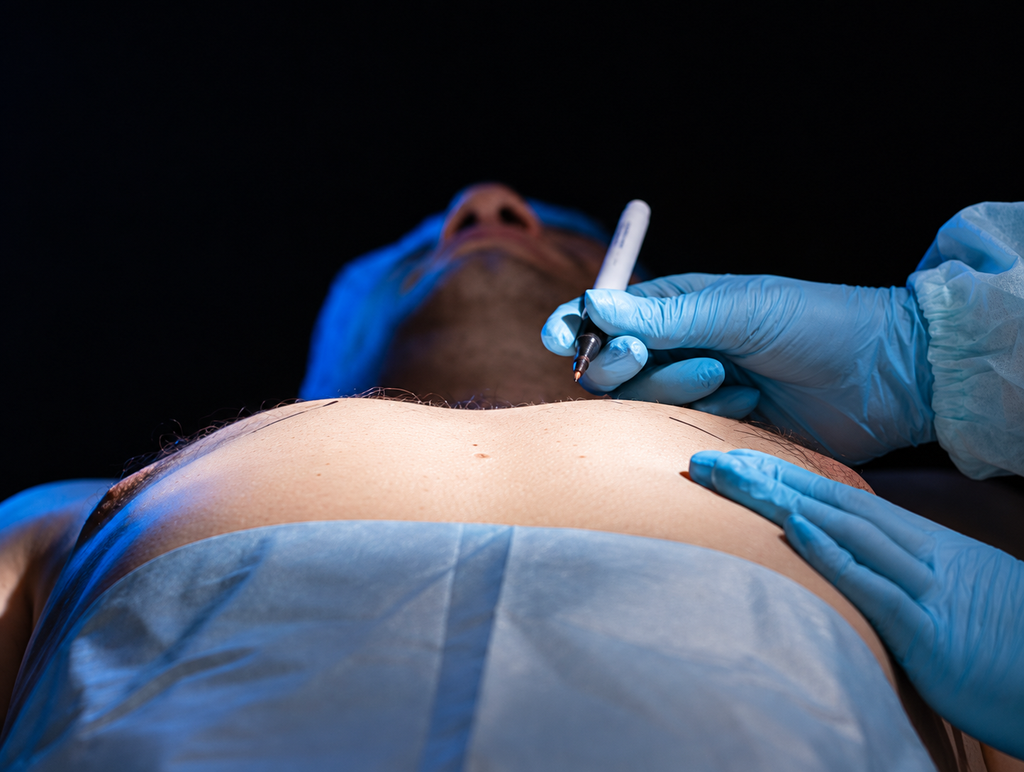
When enlarged glandular tissue needs to be removed, the surgeon may use an incision near the areola to access it. Liposuction may also be performed when excess fat contributes to the chest shape.
The extent of the procedure depends on your anatomy and the amount of tissue involved. At Family Beauty, the treatment plan is discussed during consultation, including the expected recovery and any possible limitations.
What About Recovery?
Recovery varies according to the procedure and how much tissue is removed. Swelling, bruising and temporary discomfort are possible after surgery, and some patients are advised to wear a compression garment.
Your surgeon will explain when you can return to work, exercise and other activities. Scarring, changes in sensation, uneven contours and other surgical complications should also be discussed before deciding on treatment.
Pyetje të shpeshta
Can Gynecomastia Affect Only One Side of the Chest?
Yes, gynecomastia can affect one or both sides of the chest. However, a new or unusual change affecting only one breast should be medically assessed to rule out other possible causes.
Can Skinny Men Have Gynecomastia?
Yes, gynecomastia can develop in men with a low body fat percentage. Enlarged glandular tissue is not necessarily related to being overweight, which is why a lean man may still notice puffy nipples or chest fullness.
Can Gynecomastia Go Away on Its Own?
Gynecomastia that develops during puberty often improves as hormone levels stabilize. In adults, whether it improves depends on the cause and how long the glandular enlargement has been present.
Can Gynecomastia Return After Surgery?
Surgery can remove enlarged glandular tissue, but recurrence or further changes are possible, especially if an underlying hormonal or medication-related cause remains. Changes in weight can also affect the appearance of the chest over time.
Can Chest Fat and Gynecomastia Occur Together?
Yes, some men have both excess fatty tissue and enlarged breast glands. This is why a surgeon may recommend a combination of liposuction and glandular tissue removal rather than using only one technique.
Find Out What’s Causing Your Chest Fullness
Not sure whether your concern is gynecomastia or stubborn chest fat? At Family Beauty, we can arrange a consultation to discuss your symptoms, explain the available treatment options and determine what further assessment may be needed.
- 📧 Email: info@familybeauty.com
- 📍 Vendndodhja: Rruga “Kongresi i Manastirit”, Tiranë, Shqipëri
- 🌐 Contact Us: Request a Consultation at Family Beauty