EN
EN  IT
IT  SQ
SQ  ES
ES  FR
FR 
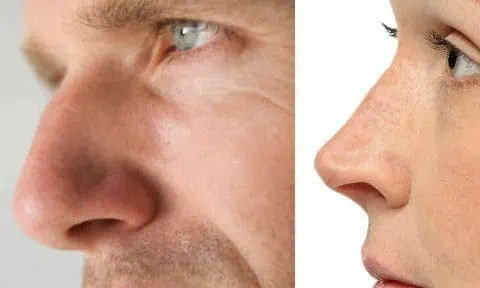
Rhinoplasty isn’t one-size-fits-all. Male and female nose surgery requires different approaches to create natural, attractive results.
At Family Beauty in Albania, our surgeons specialize in gender-appropriate rhinoplasty techniques. Understanding these differences ensures outcomes that enhance rather than feminize or masculinize your appearance.
Why Gender Matters in Rhinoplasty
Facial aesthetics differ fundamentally between genders. What looks beautiful on a woman may appear out of place on a man, and vice versa.
Masculine and feminine facial features follow distinct patterns. Nose shape significantly contributes to gender recognition and facial harmony.
Key Gender Differences:
Structural anatomy: Male and female noses have different bone and cartilage characteristics. These structural variations influence surgical techniques.
Aesthetic ideals: Beauty standards differ by gender across cultures. What’s considered attractive varies significantly.
Facial proportions: The nose relates differently to other facial features in men versus women. Harmonious proportions differ by gender.
Skin thickness: Men typically have thicker nasal skin. This affects healing and refinement possibilities.
Anatomical Differences Between Male and Female Noses
Understanding anatomical variations guides surgical planning. Family Beauty surgeons evaluate these factors during consultation.
Male Nose Characteristics
- Larger overall size: Male noses tend to be longer and wider. Greater dimensions match larger facial structure.
- Stronger bridge: More prominent nasal bridge with higher profile. Angular appearance creates masculine aesthetic.
- Wider base: Broader alar base (nostril width). Proportional to wider facial features.
- Less refined tip: Bulkier nasal tip with less definition. Subtle angles rather than delicate points.
- Straighter profile: More linear nasal profile from forehead to tip. Minimal curvature or scooping.
- Thicker skin: Denser skin with larger pores. Affects refinement capacity and healing visibility.
Female Nose Characteristics
- Smaller proportions: Generally shorter and narrower noses. Delicate dimensions match facial features.
- Softer bridge: Lower, gentler nasal bridge profile. Smooth curves rather than sharp angles.
- Narrower base: More refined alar base and nostril width. Proportional to smaller facial structure.
- Defined tip: More projected, refined nasal tip. Elegant angles and definition.
- Curved profile: Gentle concave curve from bridge to tip. Slight upward tilt often present.
- Thinner skin: Finer skin texture shows refinement better. Greater detailing is possible in surgery.
Aesthetic Goals: Male Rhinoplasty
Men seeking rhinoplasty want improvement without feminization. Maintaining masculine strength remains paramount.
Common Male Concerns:
- Dorsal hump: Prominent bump on nasal bridge. Smoothing while preserving masculine profile.
- Crooked nose: Deviation or asymmetry from injury or genetics. Straightening without over-refinement.
- Bulbous tip: Wide, round nasal tip lacking definition. Subtle refinement maintaining masculinity.
- Wide nostrils: Overly broad alar base. Narrowing proportional to facial width.
- Previous trauma: Broken nose requiring reconstruction. Restoring function and appearance.
Aesthetic Goals: Female Rhinoplasty
Women typically desire more dramatic refinement. Delicate, feminine features remain the goal without looking “overdone.”
Common Female Concerns:
- Dorsal hump: Bridge bump creating masculine profile. Smoothing for elegant curve.
- Drooping tip: Nasal tip pointing downward. Lifting for youthful appearance.
- Wide bridge: Broad nasal bridge appearing masculine. Narrowing for delicate look.
- Large nostrils: Flared or wide nostril base. Reduction for feminine proportions.
- Ethnic features: Desire to refine while maintaining identity. Balance between refinement and preservation.
Female Rhinoplasty Principles
- Delicate refinement: Creating soft, feminine curves and angles. Elegant proportions prioritized.
- Upward rotation: Slight tip elevation for youthful appearance. Not excessive or “pig nose” look.
- Narrowing: More significant width reduction acceptable. Feminine faces suit narrower noses.
- Smooth curves: Eliminating bumps and angles. Continuous flowing lines.
- Balanced projection: Adequate tip projection for profile balance. Neither excessive nor insufficient.
Surgical Techniques for Women
- Bridge refinement: More aggressive hump reduction possible. Creating smooth, feminine curve.
- Tip elevation: Rotating tip upward 5-10 degrees. Increasing nasolabial angle to 100-110 degrees.
- Width reduction: Narrowing bridge and nostril base. Creating delicate proportions.
- Cartilage sculpting: Precise tip work for definition. Creating elegant angles and highlights.
- Subtle slopes: Gentle concave curves in profile. Avoiding straight or convex lines.
Common Mistakes in Gender-Inappropriate Rhinoplasty
Poor surgical planning can create results mismatched to patient gender. Family Beauty avoids these errors.
Feminizing Male Noses:
- Over-refined tip: Creating pointed, delicate nasal tip. Appears feminine and unnatural.
- Excessive rotation: Upturned nose inappropriate for men. “Pig nose” or “bobbed” appearance.
- Overly narrow bridge: Creating delicate, feminine bridge width. Disproportionate to masculine face.
- Scooped profile: Concave bridge curve looks feminine. Men need straighter profiles.
Masculinizing Female Noses:
- Insufficient refinement: Leaving nose too broad or undefined. Fails to achieve feminine goals.
- Straight profile: Creating linear bridge without gentle curve. Appears masculine and harsh.
- Downward pointing tip: Failing to rotate tip adequately. Creates aging, droopy appearance.
- Excessive width: Not narrowing bridge or base enough. Masculine proportions remain.
The Family Beauty Approach
Individualized Assessment
Every patient receives comprehensive evaluation considering gender, ethnicity, and personal goals.
- 3D analysis: Facial proportions measured precisely. Gender-appropriate ideals guide planning.
- Goal clarification: Understanding patient desires versus surgical possibilities. Setting realistic expectations.
- Cultural sensitivity: Respecting ethnic identity and cultural beauty standards. No cookie-cutter approaches.
- Imaging technology: Visualizing potential outcomes before surgery. Ensuring aligned expectations.
Surgical Expertise
Family Beauty surgeons have extensive experience with both male and female rhinoplasty across ethnicities.
- Specialized training: Advanced education in gender-specific techniques. Understanding anatomical and aesthetic differences.
- Artistic vision: Balancing technical skill with aesthetic judgment. Creating beautiful, natural results.
- Technique variety: Mastering multiple surgical approaches. Selecting optimal method for each patient.
- Revision experience: Correcting gender-inappropriate previous surgeries. Restoring natural, harmonious appearance.
Natural Results Philosophy
- Our commitment: Results that enhance your appearance while maintaining gender-appropriate features and ethnic identity.
- Subtle improvements: Changes that make you look better, not different. People notice you look good without knowing why.
- Harmonious proportions: Nose that fits your face naturally. Balanced with other features.
- Long-term satisfaction: Results you’ll love for decades. Not trendy or dated appearance.
Recovery Differences Between Genders
Recovery experiences can vary between male and female patients. Understanding these difference helps with preparation.
Male Recovery Considerations:
- More swelling: Thicker skin produces more pronounced swelling. Takes longer to resolve completely.
- Bruising extent: Men may experience more visible bruising. Related to skin and vascular characteristics.
- Activity restrictions: Returning to exercise requires caution. Men often push too hard, too soon.
- Patience required: Final results emerge more slowly. Full refinement takes 12-18 months.
Female Recovery Considerations:
- Faster resolution: Thinner skin swells less and resolves more quickly. Results are visible sooner.
- Less bruising: Generally lighter bruising that fades faster. Makeup can conceal sooner.
- Emotional investment: Women may be more emotionally engaged in the process. Support and reassurance are important.
- Earlier satisfaction: Results become apparent within 6-12 months. Refinement shows through thin skin.