 EN
EN  IT
IT  SQ
SQ  ES
ES  FR
FR 

Hair Transplant in Albania – Family Beauty
At Family Beauty, we offer advanced hair transplant in Albania, combining international standards of care with modern surgical techniques. Whether you’re struggling with hair loss or thinning, our customized procedures deliver natural, long-lasting results.
Our hospital guarantees complete privacy for all contact information.

Rediscover Confidence with Natural Hair Restoration
Losing hair can deeply affect one’s personal and professional life. A professionally performed hair transplant offers a permanent, effective solution. By using cutting-edge procedures like FUE (Follicular Unit Extraction) and DHI (Direct Hair Implantation), patients benefit from minimally invasive treatments that leave virtually no visible scars.
This allows for a discreet recovery and seamless integration of transplanted hair with your existing hairline.
Beyond the technical advantages, a successful hair restoration renews confidence, improves self-image, and often has a positive impact on personal relationships and career opportunities.
More men and women are realizing that modern hair transplant methods provide solutions that look completely natural, without the stigma that older procedures once carried.
- Boosts confidence, self-esteem, and personal image.
- Permanent solution for hair loss and thinning.
- Natural-looking results that match your existing hairline.
- Minimally invasive with fast recovery.
- Virtually scar-free with advanced FUE and DHI techniques.

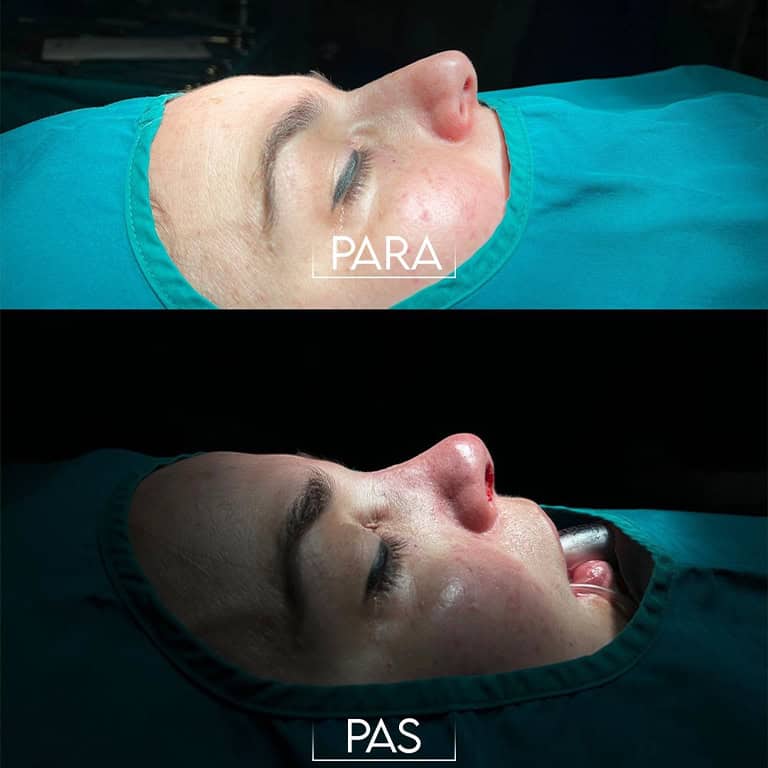
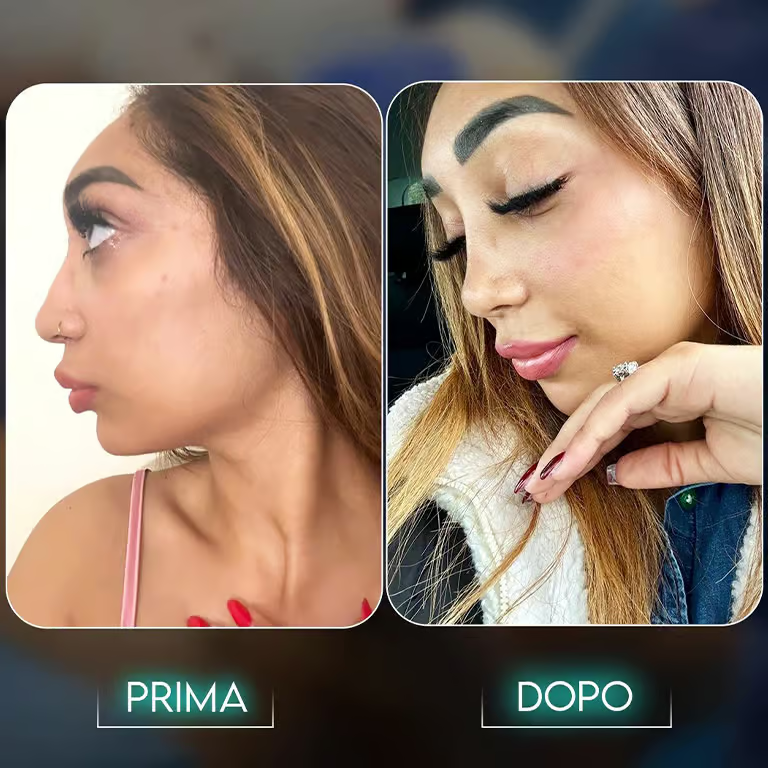
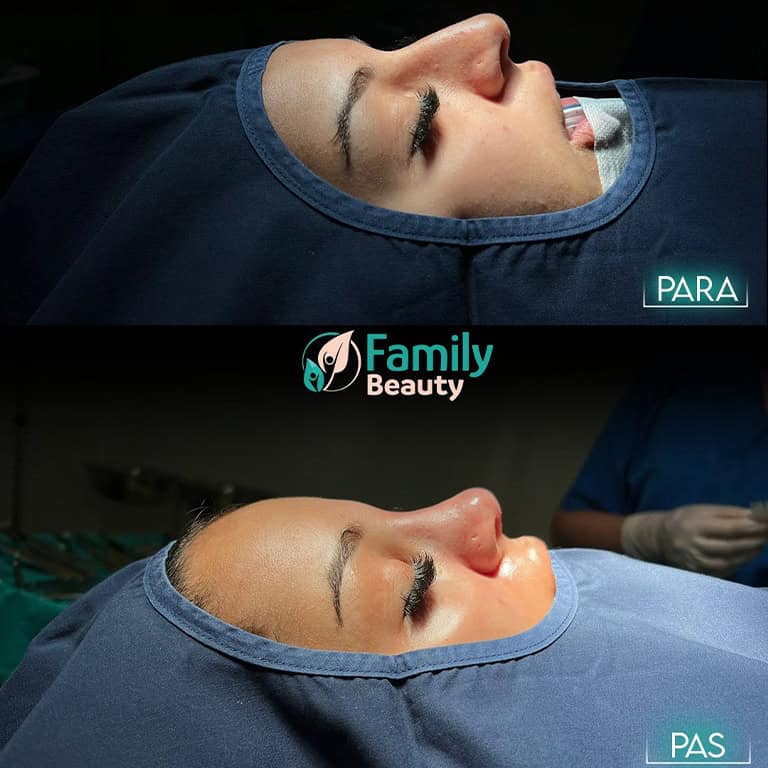
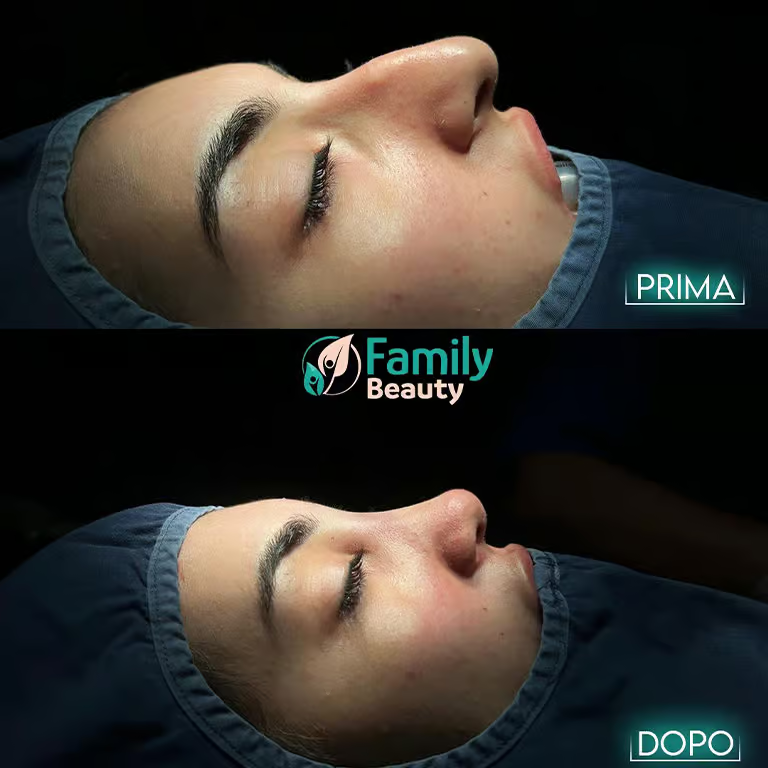
Before and After Plastic Surgery in Albania


Affordable Hair Transplant in Albania Cost
The cost of hair transplant surgery often prevents many from pursuing the procedure in countries like the UK, Italy, America, or Western Europe—where prices can be extremely high. In Albania, however, patients have the chance to save up to 70% while receiving the same high standard of care found in leading international clinics.
At Family Beauty, our specialized hair restoration team uses advanced surgical methods, precision instruments, and operates under strict international hygiene and safety protocols. Our fully equipped, modern medical facilities ensure each patient receives exceptional results with minimal downtime.
Choosing a hair transplant in Albania means gaining access to cutting-edge techniques, experienced surgeons, and natural-looking outcomes, all while making a smart financial decision that allows you to invest in your confidence without overpaying.
Cosmetic Surgery Albania Prices @FamilyBeauty

Brands we work with


Contact Us via WhatsApp
Contact Us
Tell us which aesthetic procedure you’re interested in. Share photos or medical history if available—this helps us build the best plan for you.
Our Surgeon Reviews Your Case
Our certified medical team will assess your request and schedule a free online consultation to explain the treatment, timeline, and pricing.
Travel to Albania | We Handle Everything
We organize your stay from start to finish—including airport pickup, hotel accommodation, and your visit to our private clinic in Tirana.
Treatment & Transformation
In just a few days, your transformation begins. Whether it’s a facelift, breast surgery, or hair transplant, your safety and results are our top priority.
Trusted results, Trusted clinic — Satisfied Patients at Family Beauty


Plastic Surgery in Albania Reviews: Family Beauty


Mi sono sottoposta ad un intervento di Rinosettoplastica , qui al Family hospital , è stata una esperienza fantastica , mi sono trovata benissimo. Super disponibili e gentili , sono super contenta lo farei altre mille volte , grazie ancora Family Hospital
Io e il mio compagno abbiamo fatto liposuzione, il 16/11/23 io totale più Bbl il mio compagno fianchi addome, personale qualificato, gentilissimi, infermieri tutti il Top, clinica pulitissima , assistenza medica da 10 e lode, Molto soddisfatta, la consigliamo al 100%
La loro preparazione e cortesia non si trova dappertutto.
Mi sono sottoposta a una rinosettoplastica presso la struttura Family Hospital di Tirana. circa un mese fa. Quando e’ venuto via il supporto al naso dopo 7 giorni ho pianto di gioia. Finalmente mi sono liberata di un problema che mi ha condizionata tutta la vita e che ho aspettato troppo a risolvere. Ringrazio tutto il personale medico e non per la gentilezza e professionalita’. Mi sono sentita accolta sin dal primo momento e dire grazie e’ davvero troppo poco per quello che hanno fatto facendomi sentire in famiglia. Grazie!
Staff meraviglioso e preparato
Consiglio questa clinica, mi sono trovata benissimo
Staff meraviglioso e preparato
Consiglio questa clinica, mi sono trovata benissimo
Who Is a Good Candidate for Hair Transplant?
Not everyone experiencing hair loss may be eligible for the procedure. Identifying ideal candidates is a crucial step in achieving long-lasting, natural outcomes from a hair transplant.
The most suitable candidates typically include individuals with stable donor areas on the scalp, usually at the back or sides of the head, where hair follicles are resistant to hormonal hair loss. Men experiencing male pattern baldness are often ideal because of the predictable nature of their hair loss.
Patients should also be in generally good health, without underlying medical conditions that could impair healing or increase surgical risks. Realistic expectations are equally important; while a hair transplant can dramatically improve appearance, it may not restore hair to the density of youth for every patient. A detailed consultation at Family Beauty ensures that each case is carefully evaluated before proceeding.

How the Hair Transplant Procedure Works
Our hair transplant procedure at Family Beauty is a carefully planned, multi-stage process designed to achieve natural, long-lasting results. Each stage is equally important and tailored to the specific needs of every patient. Here’s a detailed step-by-step breakdown of the procedure:
Stage 1: Comprehensive Consultation and Hair Analysis
The journey begins with a comprehensive consultation where our specialists conduct a full medical and aesthetic evaluation. During this stage, the extent of your hair loss is assessed, along with the condition of your donor area (typically located at the back or sides of the head).
Advanced diagnostic tools may be used to analyze hair density, follicle quality, and scalp health. This helps determine whether you’re a suitable candidate for FUE, DHI, or FUT hair transplant techniques.
Your expectations, goals, and medical history are also discussed to create a fully customized treatment plan that aligns with your needs.
Stage 2: Pre-Operative Preparation
Once the treatment plan is finalized, patients receive specific pre-operative instructions to ensure optimal conditions for surgery. This includes guidelines on:
- Avoiding alcohol and smoking
- Adjusting medications (if necessary)
- Maintaining proper scalp hygiene
- Staying hydrated and following a balanced diet
These measures help prepare both the donor and recipient areas for the upcoming hair transplant, reducing any potential complications and promoting faster healing.
Stage 3: Follicular Unit Extraction (Harvesting)
On the day of the procedure, local anesthesia is administered to ensure a painless experience. Once the area is numbed, the surgical team begins the follicular unit extraction phase.
Using precise micro-punch instruments, individual hair follicles are carefully harvested from the donor site. Each follicular unit contains one to four hair grafts, and the extraction is done with extreme care to preserve the surrounding tissue, ensuring minimal scarring and maintaining the health of the donor area for potential future sessions.
This phase is performed meticulously, as the survival rate of these harvested grafts directly influences the overall success of your hair transplant.
Stage 4: Graft Preparation and Preservation
After extraction, the harvested follicles are placed in a sterile, temperature-controlled solution to maintain their viability. Our surgical team then carefully sorts and prepares the grafts, categorizing them based on size, thickness, and placement needs.
This attention to detail allows for better customization when implanting the follicles into different areas of the scalp, particularly in sensitive regions such as the frontal hairline, temples, or crown.
Proper handling of these grafts ensures maximum survival rates and contributes to the natural-looking results that Family Beauty is known for.
Stage 5: Recipient Area Preparation and Incision Design
Before the implantation begins, the recipient area is prepared. Small, precise incisions are created where the new follicles will be placed.
The design of these incisions is critical. Our surgeon carefully considers:
- The natural growth direction of your existing hair
- The desired density
- The natural hairline contour
- The angle and depth of each follicle placement
By mimicking natural hair growth patterns, the implanted follicles integrate seamlessly, producing a full and realistic appearance once healing is complete.
Stage 6: Graft Implantation
In this phase, the prepared grafts are delicately implanted into the recipient incisions one by one. If DHI technique is used, the grafts may be implanted directly using a Choi Implanter Pen, allowing even greater control over angle, depth, and positioning.
The implantation process is performed with extreme precision to achieve a high-density, natural-looking result. The total number of grafts implanted depends on the extent of hair loss and the individual’s goals discussed during the consultation.
Stage 7: Post-Operative Care and Recovery Guidance
Once the implantation is complete, patients receive thorough post-operative care instructions. This stage is crucial for ensuring that the grafts take hold and that healing progresses smoothly.
Our team provides detailed guidelines on:
- Proper hair washing techniques
- Sleeping positions to avoid pressure on the grafts
- Medications to reduce swelling and discomfort
- Activities to avoid during the initial healing period
Recovery after a hair transplant in Albania is typically fast, with most patients resuming light activities within a few days. Proper post-operative care supports healthy follicle growth and contributes to excellent long-term results.
Stage 8: Long-Term Monitoring and Follow-Up
At Family Beauty, our commitment to your results extends well beyond surgery. Follow-up appointments allow our team to monitor your healing progress, assess graft survival, and address any concerns.
Over the course of 12 to 18 months, patients will see gradual hair growth as the transplanted follicles enter their natural growth cycle. Full, permanent results are typically visible within one year.

The Different Hair Transplant Techniques
Choosing the right technique is one of the most important factors in achieving natural-looking and long-lasting results. At Family Beauty, we offer several advanced hair restoration methods, each designed to meet the unique needs of our patients.
| Technique | Method Overview | Scarring | Recovery Time | Best For | Key Advantages |
| FUE (Follicular Unit Extraction) | Individual follicular units are extracted directly from donor area using micro-punch tools. | Minimal (tiny dot scars, nearly invisible) | 5–7 days | Patients seeking minimal downtime and natural hairline restoration. | Minimally invasive, quick healing, allows short hairstyles, natural-looking density. |
| DHI (Direct Hair Implantation) | Similar to FUE but uses Choi Implanter Pen to implant grafts directly without prior incisions. | Minimal (even less visible than FUE) | 3–5 days | Patients looking for maximum precision and density, especially in frontal hairline. | Greater control of angle, depth, density; faster healing; high graft survival rate. |
| FUT (Follicular Unit Transplantation) | A strip of scalp is surgically removed, and follicular units are extracted under microscope. | Linear scar at donor site | 10–14 days | Patients needing a large number of grafts or with limited donor area. | High graft yield, cost-effective for extensive hair loss, suitable for advanced cases. |
Below is a detailed explanation of the most commonly used techniques.
Follicular Unit Extraction (FUE)
Follicular Unit Extraction (FUE) is currently one of the most popular and widely performed techniques for hair transplant. This minimally invasive method allows individual hair follicles to be extracted directly from the donor area, usually located at the back or sides of the scalp, without the need for large incisions or stitches.
During the FUE procedure, a tiny circular punch tool, typically between 0.7 mm and 1 mm in diameter, is used to carefully extract each follicular unit. These individual grafts are then implanted into the recipient area with great precision, following the natural angle, depth, and growth pattern of your existing hair.
One of the key advantages of FUE hair transplant in Albania is that it leaves minimal scarring. Because no linear incision is made, patients experience tiny dot scars that are nearly invisible once healed.
This allows for a faster recovery, less post-operative discomfort, and the freedom to wear short hairstyles without visible scarring.
The FUE technique is ideal for patients seeking natural-looking density with minimal downtime. It is especially well-suited for younger patients, individuals with an active lifestyle, or those requiring smaller, more localized transplants such as hairline restoration or eyebrow transplants.
Direct Hair Implantation (DHI)
Direct Hair Implantation (DHI) is an advanced evolution of the FUE technique and is also widely performed for hair transplant. While the extraction of follicles is done similarly to FUE, DHI introduces a specialized implantation tool known as the Choi Implanter Pen, which allows for direct and more controlled placement of hair grafts into the scalp.
Unlike traditional methods where incisions are made before implantation, DHI combines both the incision and implantation steps into a single, seamless process. The Choi Pen controls the depth, angle, and direction of each graft placement, which results in more precise alignment and higher graft survival rates.
One of the main benefits of DHI hair transplant in Albania is its ability to achieve higher density, especially in areas like the frontal hairline where meticulous placement is critical for natural aesthetics.
Since there is less handling of the grafts and less time outside the body, the survival rate of transplanted follicles is often improved.
Additionally, the DHI method generally leads to faster healing, minimal bleeding, and reduced trauma to the surrounding tissues. This makes it a popular choice among patients looking for precision, high-density results, and a faster overall recovery period.
Follicular Unit Transplantation (FUT)
Follicular Unit Transplantation (FUT), also known as the strip method, is a more traditional technique for hair transplant, though it remains a viable option for certain patients depending on their specific condition and goals.
In the FUT method, a strip of skin containing healthy hair follicles is surgically removed from the donor area. The strip is then dissected under a microscope into individual follicular units, which are subsequently implanted into the recipient area using fine incisions.
While FUT hair transplant in Albania may involve a slightly longer healing time and leaves a linear scar at the donor site, it offers certain advantages. For patients requiring a large number of grafts in a single session, FUT allows for the harvesting of a greater volume of follicles from the donor area.
This makes it a good choice for patients with more advanced stages of hair loss or those with limited donor density who require maximum graft yield.
Modern surgical techniques have greatly minimized the size and visibility of the linear scar, and it can often be easily concealed by surrounding hair. For the right candidates, FUT remains a highly effective method for achieving comprehensive hair restoration.
How to Prepare for Your Hair Transplant
Preparing for a hair transplant is a vital step in ensuring smooth surgery and optimal healing. Patients are provided with personalized pre-operative guidelines during their consultation.
Generally, patients are advised to avoid smoking and alcohol at least one to two weeks before surgery, as these can interfere with circulation and healing. Certain medications, particularly blood thinners, may need to be paused under medical supervision.
Maintaining scalp hygiene and avoiding harsh hair treatments before surgery can also improve the condition of both donor and recipient areas. Patients should plan for adequate time off work and avoid strenuous physical activity for a short period following the procedure.
Hydration, a healthy diet, and good overall health further contribute to a successful hair restoration, ensuring the body is in an optimal state to heal and support new hair growth.

Hair Transplant Before & After Results | What Results Can You Expect?
Realistic expectations are essential when considering a hair transplant. While every case is unique, most patients can expect to see initial shedding of transplanted hairs within the first few weeks—a normal part of the process known as “shock loss.”
New hair growth typically begins around the third or fourth month after surgery. By the six-month mark, patients start noticing significant changes as new hairs grow stronger and fuller. Final results are generally visible after 9 to 12 months, with continued improvement sometimes seen up to 18 months post-surgery.
One of the most appealing aspects of a hair transplant is the permanence of results. Transplanted follicles maintain their resistance to hair loss, growing naturally alongside the patient’s existing hair for years to come. Patients can cut, style, and treat their restored hair just like their natural hair.
The end result is a fuller, more youthful hairline that blends seamlessly with your facial features and existing hair, restoring confidence and improving overall appearance.
Recovery and Expected Healing After Hair Transplant
Recovery following a hair transplant is generally smooth and well-tolerated. Most patients experience only mild discomfort, swelling, or redness in the days following the procedure. These symptoms typically subside within one week.
Small scabs may form at the transplantation sites but naturally fall off within 7 to 10 days. During this period, it is important to follow aftercare instructions carefully, including gentle hair washing, avoiding sun exposure, and refraining from strenuous physical activity.
Within two weeks, most patients resume their regular routines fully. As the months progress, the transplanted follicles continue their natural growth cycle, resulting in fuller, permanent hair density. By the one-year mark, patients can enjoy their complete transformation.
The minimally invasive nature of the techniques used at Family Beauty ensures that visible signs of surgery are minimal, allowing patients to return to their social and professional lives quickly and confidently.
Why Choose Albania for Your Hair Transplant?
Albania has emerged as a top destination for medical tourism, especially for patients seeking hair transplant. There are several compelling reasons why international patients trust clinics here.
First, the combination of highly trained surgeons and modern medical facilities ensures that patients receive the highest standard of care. Many specialists in Albania have received training and certifications from leading international institutions, bringing global expertise to every procedure.
Second, the affordability of hair restoration in Albania allows patients to access premium care at a fraction of the cost found in Western Europe or North America.
This financial advantage does not come at the expense of safety or quality; strict regulations, modern equipment, and professional standards are maintained across all procedures.
Additionally, Albania offers a welcoming, patient-focused healthcare environment with personalized care, privacy, and discretion. Its location makes it easily accessible for patients traveling from neighboring European countries, the Middle East, and beyond.
Choosing a hair transplant here means receiving excellent care, achieving natural results, and experiencing a seamless medical journey, all in a beautiful and culturally rich country.
Contact us for a free quote and your personalized cosmetic treatment plan!
Start your transformation today—submit your details for a FREE ONLINE CONSULTATION with our expert team.


Frequently Asked Questions about Hair Transplant Surgery in Albania
A hair transplant offers permanent results, as transplanted follicles are resistant to hair loss and continue growing naturally for a lifetime.
Yes, when performed by experienced specialists using advanced FUE or DHI techniques, hair transplant in Albania is a safe, minimally invasive procedure with a high success rate.
Most patients resume light activities within 3–5 days after their hair transplant in Albania, thanks to fast recovery times with modern techniques.
Absolutely. At Family Beauty, every hair transplant is designed to match your natural hairline, density, and growth pattern for seamless, natural-looking results.
Yes, both men and women experiencing hair thinning or pattern baldness can benefit from customized hair restoration.
Hair Transplant
Regain your confidence with personalized hair restoration techniques that provide natural, lasting growth. We offer hair, beard, and eyebrow transplants using the latest grafting technology.


